
Vehicle Shipping and Logistics: What to Know Before Transport

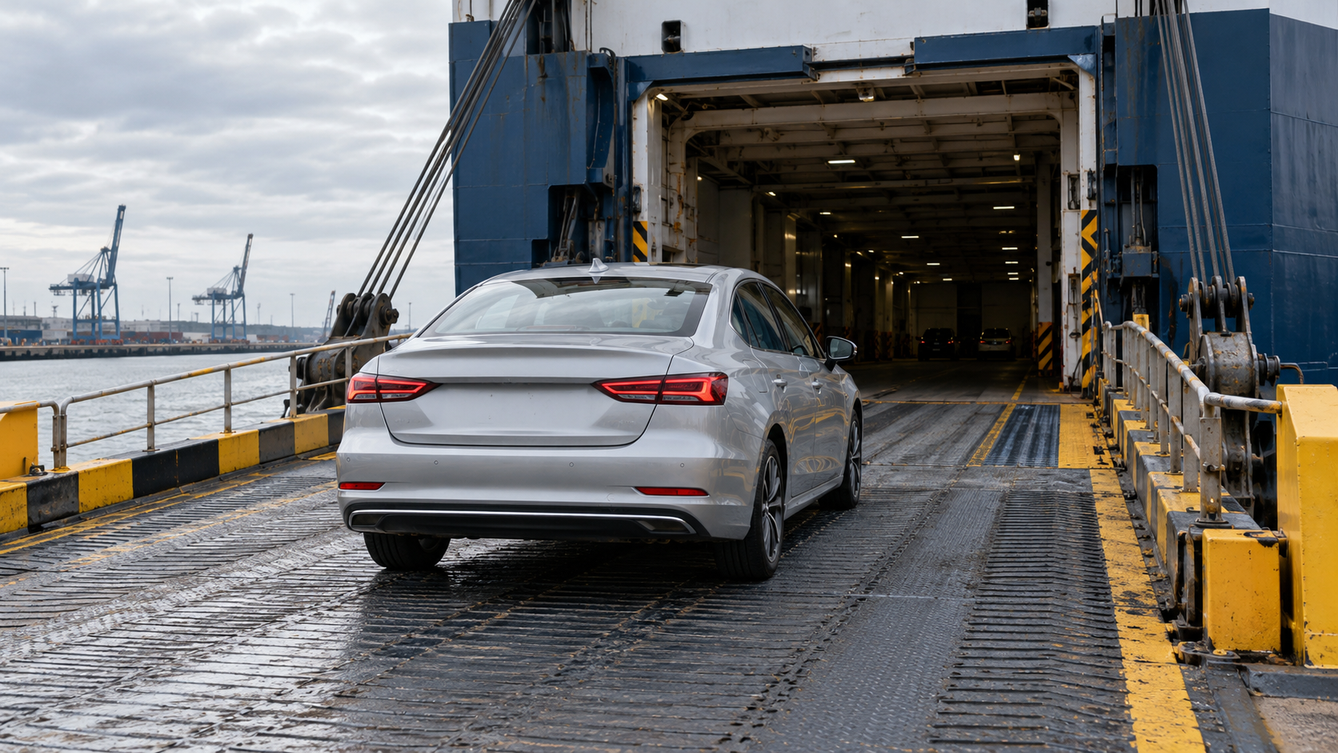
Moving a vehicle internationally requires planning around the vehicle itself, the transport method, and the arrangements at both ends of the journey. Clear preparation helps the owner, shipper, and receiving party understand how the vehicle will be handed over and delivered
Vehicle logistics focuses on coordinating transport and related handling. Before confirming a shipment, businesses and individual customers should establish the service scope and provide accurate vehicle information
Providing Complete Vehicle Details
A transport assessment begins with the vehicle’s make, model, dimensions, weight, and operating condition. Modifications, reduced ground clearance, or unusual dimensions can affect loading and equipment requirements
The logistics provider should know whether the vehicle can move under its own power and whether there are any handling limitations. Electric or hybrid vehicles should be identified early because carrier acceptance and preparation requirements may differ
Accurate information makes it easier to assess suitable services and avoid changes during collection or loading
Selecting a Suitable Shipping Method
Depending on the route, vehicle characteristics, and available services, transport options may include container shipping or a suitable roll-on/roll-off service
Each arrangement has different loading procedures, handling requirements, and commercial conditions. The appropriate method should be confirmed against the actual shipment rather than chosen only on price
Collection and final delivery also need consideration. A proposal covering port-to-port transport has a different scope from one that includes pickup and delivery at specified addresses
Recording the Vehicle’s Condition
A clear condition record is useful before handover. Photographs of the exterior, interior, and any existing marks or damage can support an accurate description of the vehicle at collection
The handover record should identify the vehicle and note its visible condition. Where applicable, keys, accompanying items, and relevant operational information should be recorded as well
This documentation helps create a shared understanding between the parties handling the vehicle at different stages
Confirming Preparation and Documentation
Preparation instructions should come from the relevant carrier or handling provider. Requirements concerning fuel level, batteries, alarms, and items left inside the vehicle can vary
Vehicle documents and shipment information should be reviewed before dispatch. The applicable import, export, and registration requirements must also be confirmed for the specific origin, destination, and vehicle
Transport booking and permission to import or register a vehicle are separate matters. Both need to be addressed by the responsible parties before the shipment proceeds
Understanding Costs and Delivery Expectations
A vehicle shipping quotation should clearly identify the transport leg, loading and unloading arrangements, and any collection or destination services included
Customers should also clarify insurance arrangements and the scope of any available cover. These details should not be assumed from the presence of a freight booking alone
Estimated arrival should be considered together with destination handling and the remaining steps before vehicle release or delivery
Vehicle Logistics Coordination with NOVA
NOVA coordinates vehicle transport and logistics according to route availability, vehicle specifications, and handling requirements. Our focus is on competitive transport pricing, clear communication, and follow-up throughout the shipment
Share the vehicle details, current location, destination, and preferred shipping date with NOVA to discuss a suitable logistics proposal and the preparations required before handover