
Supply Chain Management and Logistics Solutions

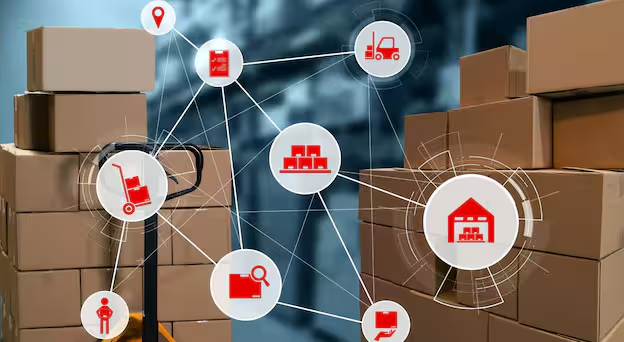
A business can have reliable suppliers and suitable transport providers yet still experience shortages or delivery problems. The difficulty often lies in how purchasing, cargo readiness, shipping, storage, and distribution are connected
Supply chain management brings these activities into a coordinated plan. It helps businesses understand how decisions at one stage affect the next, from placing an order to making goods available to the customer
How Supply Chain Management Relates to Logistics
Logistics focuses on the movement and storage of goods, along with the information needed to manage those activities. Supply chain management has a broader scope, connecting logistics with supplier coordination, purchasing, demand planning, and inventory decisions
The two are closely related. A transport plan needs accurate information about when goods will be ready, while an inventory plan needs a realistic understanding of replenishment time
When these decisions are made separately, businesses may arrange transport too early, receive goods before storage is available, or discover that an important order will arrive after it is needed
Coordinating Suppliers and Cargo Readiness
Supplier communication is an important starting point. Businesses need clear information about production progress, packaging, order quantities, and expected collection dates
Where several suppliers contribute to one order or shipment, differences in readiness can affect the entire schedule. Identifying these differences early allows time to consider separate dispatches, revised collection dates, or consolidation where appropriate
Shipment information should also be consistent. Product descriptions, quantities, package counts, and weights need to match the actual goods being handed over
Connecting Inventory Decisions with Transport
Inventory planning involves balancing product availability against the cost and space required to hold stock. Transport choices influence that balance
Longer replenishment times may require earlier ordering or additional stock, while frequent smaller shipments may increase transport and handling costs. The most suitable approach depends on demand, supplier reliability, shipment size, and the consequences of running out of a product
A practical plan considers the complete replenishment period, including supplier preparation, transport, receiving, and any intermediate handling
Warehousing as Part of the Delivery Plan
Warehousing connects incoming shipments with future distribution. It should be considered during planning, rather than only when cargo arrives
Storage conditions, receiving capacity, product identification, and dispatch requirements all influence how efficiently goods move through a facility. If a warehouse is not ready to receive a shipment, delays can affect both the transport arrangement and customer delivery
Accurate receiving information also helps businesses identify shortages or discrepancies before goods move further through the supply chain
Preparing for Changes and Disruptions
Supply chains operate under changing conditions. A supplier may revise a readiness date, a transport connection may change, or customer demand may increase unexpectedly
Good coordination makes these changes visible early. Depending on the circumstances, a business may adjust shipment timing, prioritize part of an order, arrange temporary storage, or consider an alternative route
These options involve trade-offs. Faster transport may protect a delivery commitment but increase costs, while holding stock may improve availability but require additional space and working capital
Supply Chain Coordination with NOVA
NOVA supports the logistics side of supply chain management through vendor coordination, freight forwarding, shipment documentation coordination, warehousing, distribution, and delivery follow-up
We help connect cargo readiness with transportation and receiving arrangements across regional and international trade routes. Services are tailored to the shipment and the customer’s operational requirements
To discuss your supply chain needs, share your main origins and destinations, product types, shipment frequency, and current coordination challenges. NOVA can use this information to develop a logistics proposal focused on practical planning, competitive costs, and clear communication from origin to destination