
Logistics Services and Solutions for International Business

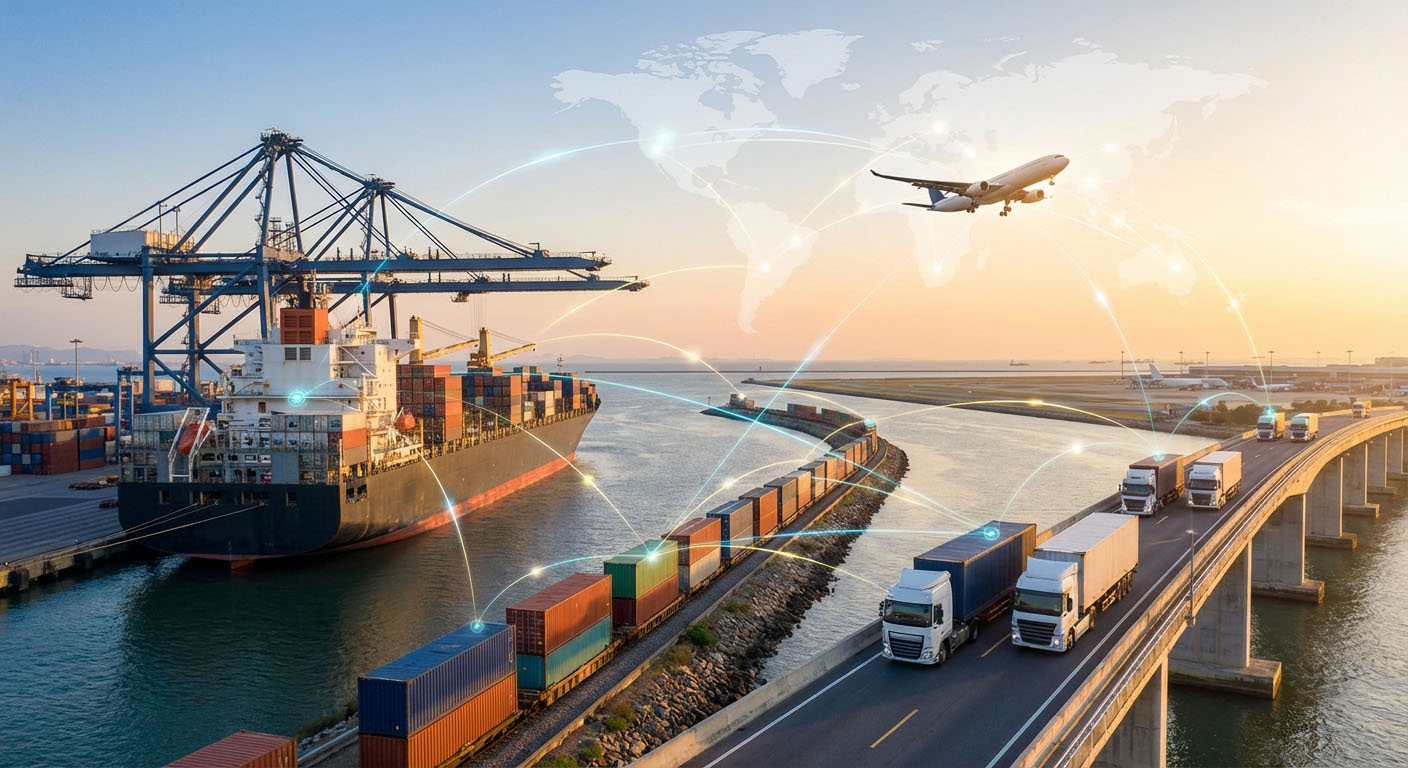
International trade depends on more than moving cargo between countries. Every shipment connects suppliers, transport providers, warehouses, and receiving teams. When these activities are coordinated properly, businesses can plan deliveries more confidently, manage costs, and keep customers informed
For importers, exporters, and trading companies, effective logistics brings these moving parts together. It creates a practical connection between a commercial agreement and the physical delivery of goods
What International Logistics Involves
International logistics covers the planning, movement, storage, and handling of goods across borders. It also involves coordinating shipment information and documents so that everyone involved understands what is moving, where it is going, and what needs to happen next
A shipment may require collection from a supplier, transport to a departure terminal, international freight, temporary storage, and final delivery. The services required depend on the cargo, the route, and the responsibilities agreed between the buyer and seller
Choosing a Suitable Freight Solution
Sea freight is commonly used for containerized cargo and larger shipments where transport capacity and cost are important considerations. Air freight can suit urgent or time-sensitive goods, while road transport connects suppliers, ports, warehouses, and delivery locations
Some shipments benefit from multimodal transport, which combines different modes within one coordinated journey. The right solution depends on shipment size, cargo characteristics, available connections, and the delivery deadline
For example, a business moving a large planned order may prioritize sea freight, while an urgent replacement component may justify air transport. Choosing the appropriate method requires looking at the commercial impact of delivery time alongside the freight cost
Coordination Between Shipment Stages
Many logistics difficulties arise during handovers. Cargo may be ready before transport is arranged, warehouse receiving hours may not match the delivery schedule, or shipment details may differ between documents
Confirming cargo readiness, packaging, collection arrangements, and receiving requirements before departure helps reduce these avoidable problems. Clear responsibility for each stage also makes it easier to respond when plans change
Understanding the Full Shipment Cost
A freight rate does not always represent the total cost of moving goods. Depending on the agreed service, additional costs may include collection, terminal handling, storage, documentation, and final delivery
Businesses should understand what a quotation includes, what it excludes, and which charges depend on actual shipment conditions. Comparing quotations with the same scope provides a more useful basis for choosing a logistics partner
International Logistics with NOVA
NOVA coordinates sea, air, land, and multimodal freight, together with forwarding, container shipping, customs clearance coordination, warehousing, and distribution. Services are arranged around the requirements of each shipment, with follow-up from origin through delivery
Our routes include connections between Oman and Iran, the UAE, Qatar, Saudi Arabia, and China, alongside other international origins and destinations. Routing and service availability are assessed according to the cargo and shipment requirements
To discuss a shipment with NOVA, share the cargo description, collection point, destination, weight, dimensions, and preferred shipping date. These details help us prepare a suitable logistics proposal with competitive pricing and a clearly defined service scope